
AC and DC get mixed up a lot, but the difference is pretty straightforward once you see it. I’ve worked with both in projects, and knowing which is which saves headaches—like not frying your gadget with the wrong charger.
What the Names Actually Mean
- DC (Direct Current): The current flows in one steady direction. Electrons march straight from negative to positive, no turning back.
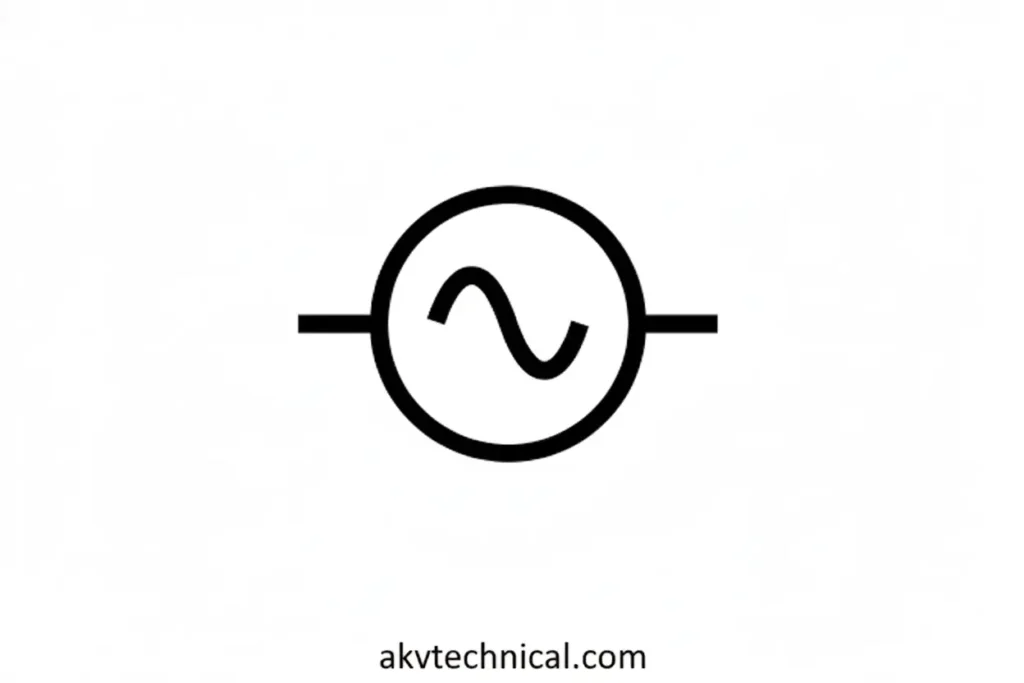
- AC (Alternating Current): The current flips direction back and forth, usually in a smooth wave. It switches polarity dozens of times a second.

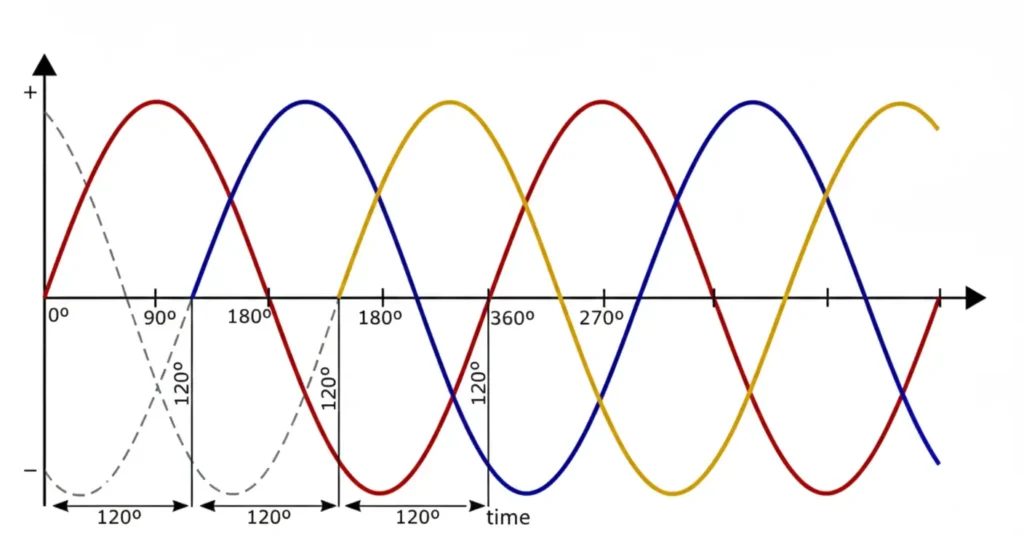
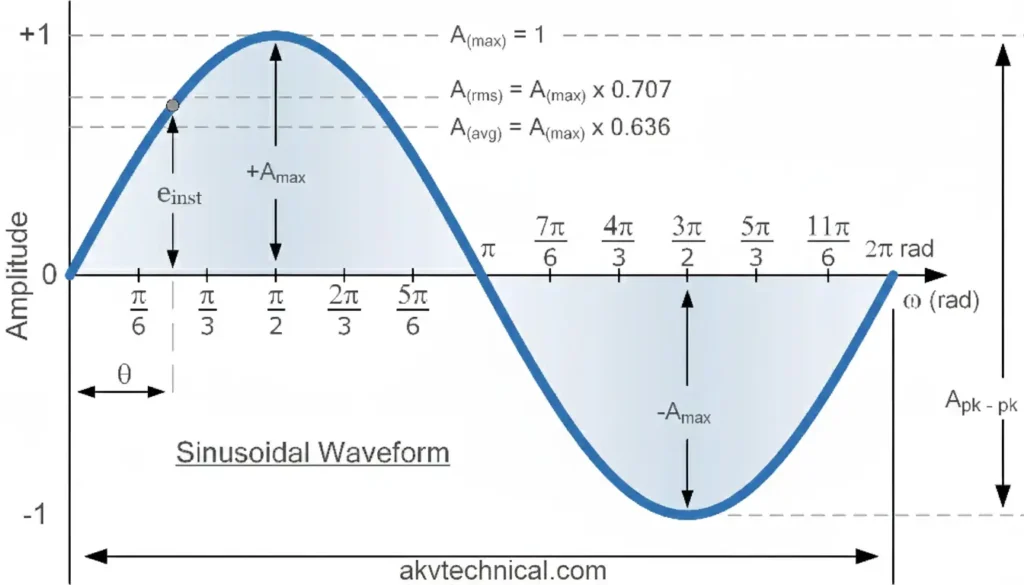
DC looks like a flat line on a graph; AC is that classic sine wave.
Why AC Won the “War of Currents”
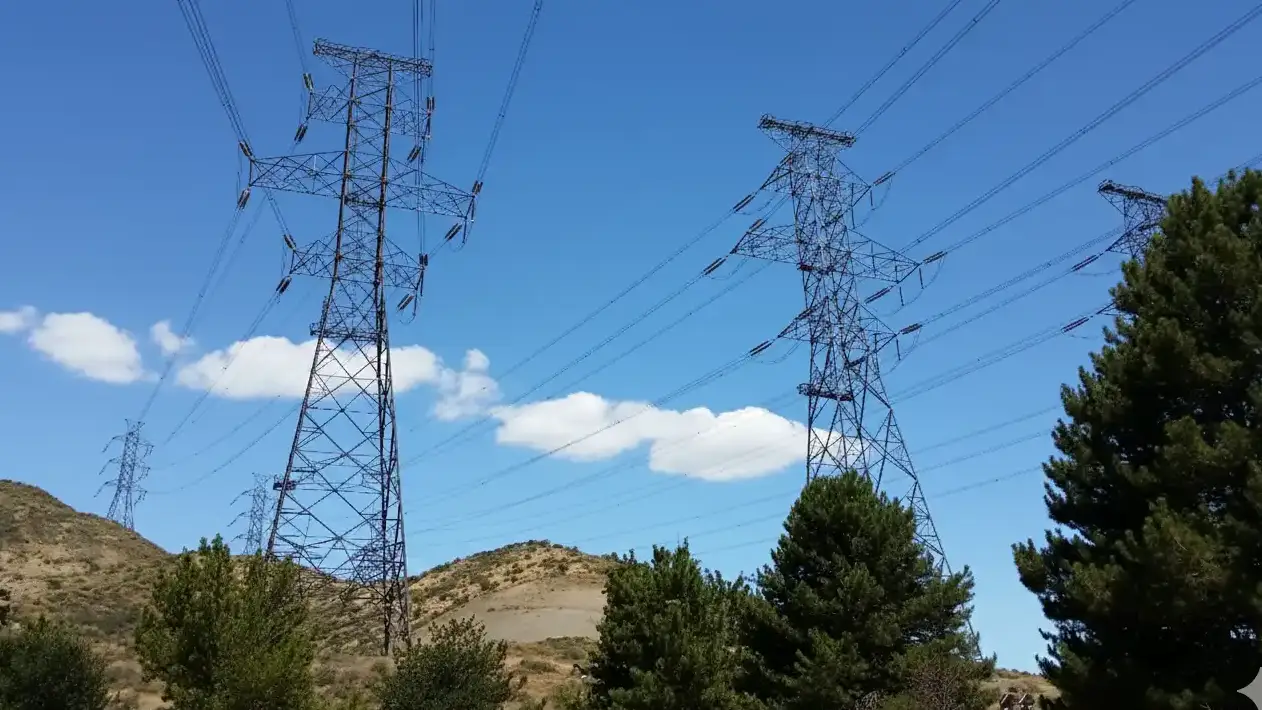
Back in the day, Edison pushed DC, Tesla and Westinghouse backed AC. AC won because it’s easier to change voltage levels with transformers. Step it up high for transmission (less loss over distance), then down for safe home use.
Everyday Examples
- DC in action: Your phone battery, flashlight, or car battery. Steady flow powers electronics directly. Plug in a wall charger? It converts AC to DC inside—check the little box, it says “DC output.”
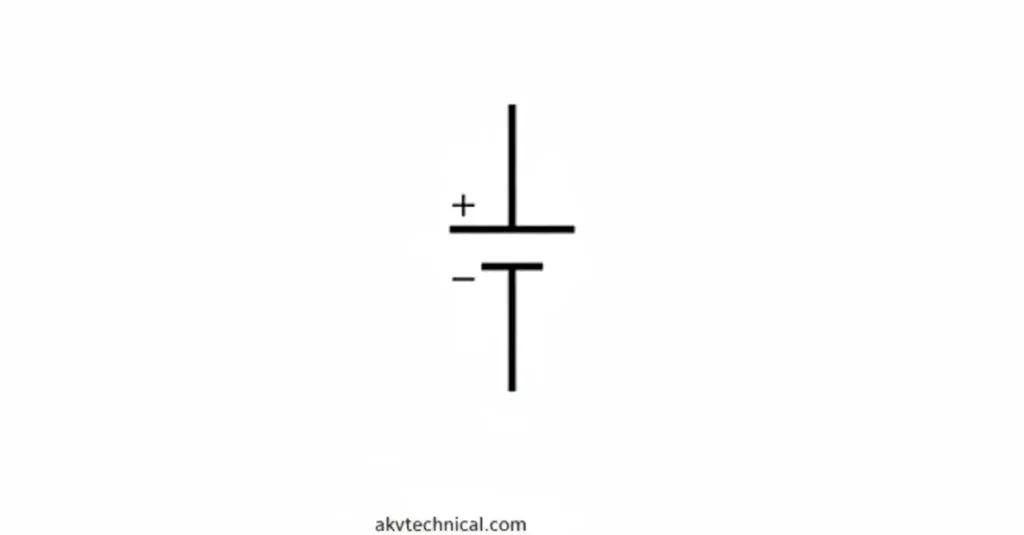
Batteries Symbol Dc Power Supplies Physics Stock Vector (Royalty …
- AC in action: Wall outlets in your house (120V in the US, 230V elsewhere, 50-60Hz). Powers big stuff like fridges, washers, or toasters. The current alternates, but motors and heaters don’t care—they just heat up from the flow either way.
Try running a DC-only device straight on AC? It’ll smoke quick. But some things like incandescent bulbs work on both.
Quick Comparison Table
| Aspect | DC (Direct Current) | AC (Alternating Current) |
|---|---|---|
| Direction | One way only | Back and forth (sine wave usually) |
| Common Sources | Batteries, solar panels | Wall outlets, generators |
| Transmission | Losses over distance | Efficient with transformers |
| Frequency | 0 Hz (steady) | 50 or 60 Hz typically |
| Best For | Electronics, low voltage | Power grids, high power appliances |
Practical Tips from Experience
Most gadgets run internally on DC, so adapters convert AC. If you’re tinkering, check the symbols—battery icon for DC, wavy line for AC.
Solar setups often produce DC, then inverters make AC for home use.
Old universal motors (like in some drills) run on either, but modern brushless prefer DC.
FAQs About AC vs DC
Can I convert AC to DC easily? Yeah, with a rectifier—chargers do it all the time.
Why not use DC for everything? Cost and efficiency for long-distance power.
Is household electricity pure sine wave AC? Grid is, but cheap inverters make modified sine—some devices hate that.
Which is more dangerous? AC can be worse because the alternating throws your muscles, harder to let go.
Can I measure both with a multimeter? Set to DC for batteries, AC for outlets.
DC is steady one-direction flow, perfect for batteries and gadgets. AC flips directions, making it king for power delivery. Spot the difference, and you’ll handle chargers, projects, and bills better. Experiment with a cheap power supply if you want to see it yourself—just stay safe.